
#ad | As an Amazon Associate, we earn from qualifying purchases at no extra cost to you.
Disclosure: As an Amazon Associate, I earn from qualifying purchases.
This device addresses a specific logistical challenge in UK outdoor living: the distance between a mains power outlet and the actual seating area. The standout feature is the 150cm (60-inch) cable, which allows the unit to be positioned far from walls or fences without the need for unsightly or potentially hazardous extension leads. However, a key limitation is that the 450-watt heating element is designed for rapid ignition rather than sustained high-heat cooking, meaning it functions strictly as a starter tool, not a primary heat source. This product is best for homeowners with patios or balconies where power is located at the far end of the space, and who need a reliable, quick method to light charcoal without using lighter fluid.
🛒 Check Price on Amazon →✓ See today's price & reviews
Solving the Patio Power Outlet Dilemma
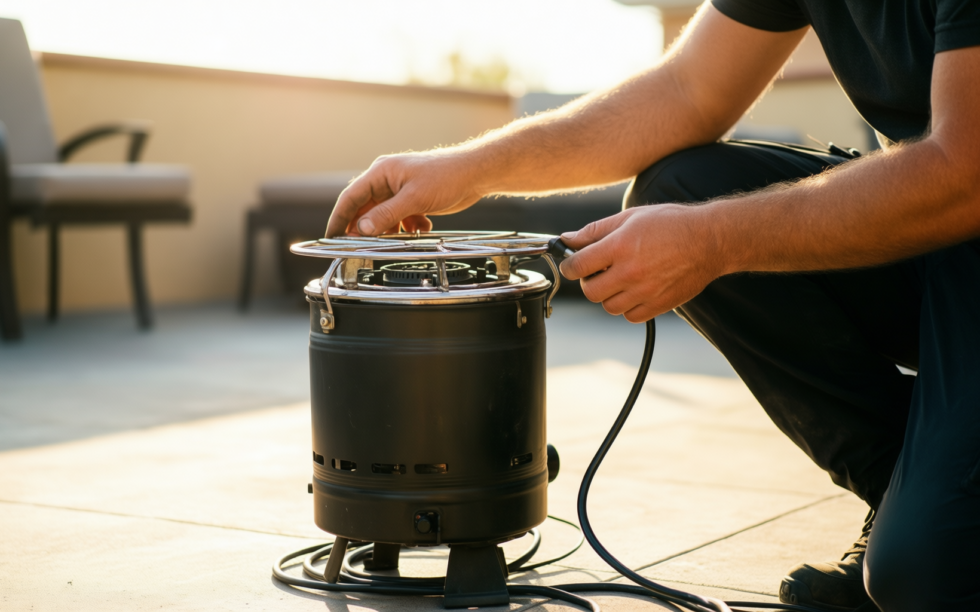
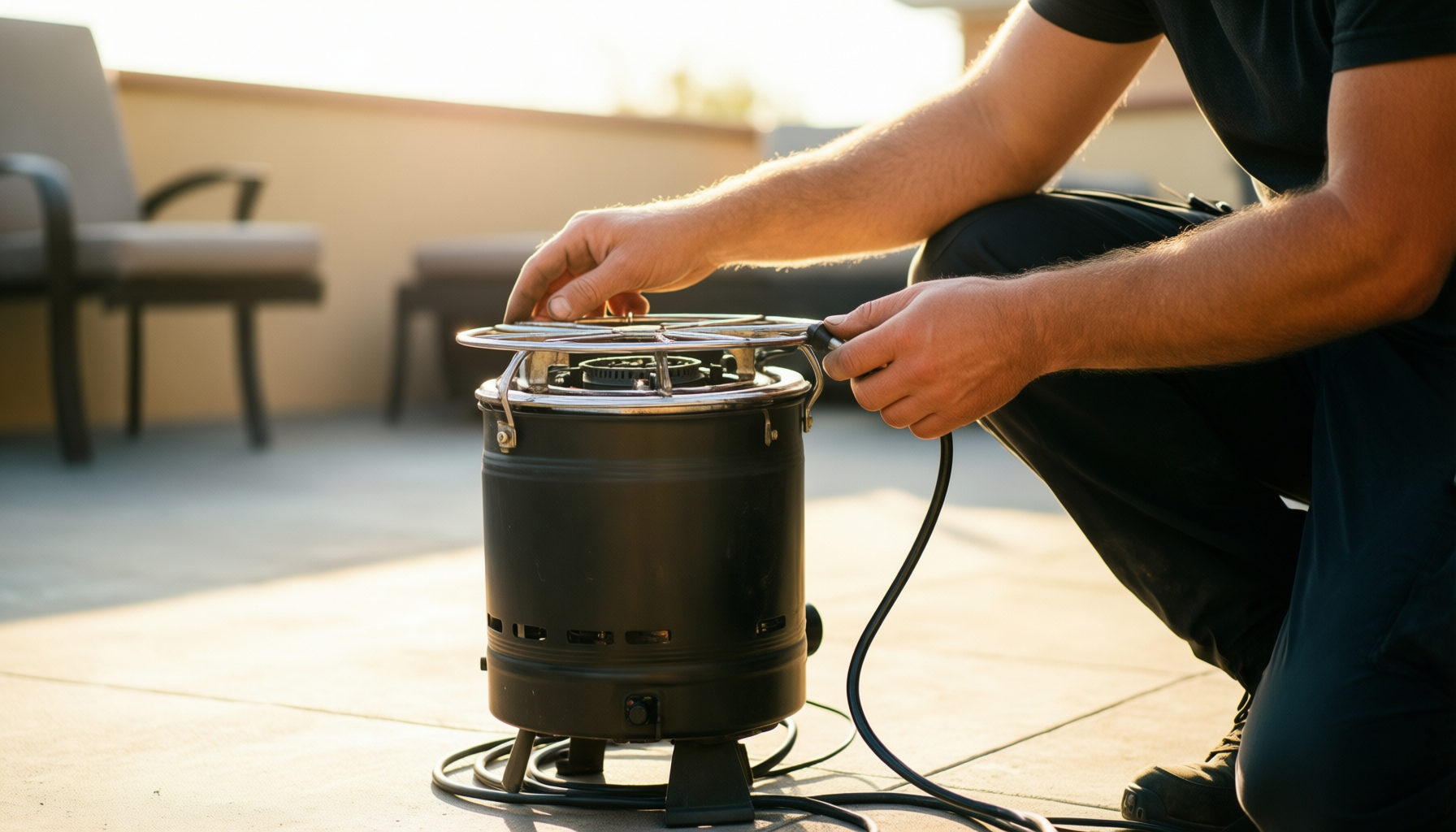
The most critical specification in the product description is the 60-inch cable length. In many UK garden layouts, the nearest external socket is located near the back door or a utility shed, often 3 to 5 meters away from the main dining table. Standard coal burners typically come with short cords, forcing users to either drag the heavy unit across the patio or use extension leads. Extension leads in a garden setting are a known fire risk, especially when they lie across wet grass or gravel. By providing a 150cm cable, this model allows the user to place the burner directly next to the grill or stove, while the power source remains safely tucked away. This eliminates the visual clutter of long, trailing wires and reduces the risk of tripping hazards in high-traffic areas.
The flexibility offered by this cable length also impacts safety regarding flammable materials. When a burner is tethered to a short cord, users are often forced to place it close to fences, sheds, or wooden decking to reach a socket. This proximity can lead to heat damage or fire risks if the unit is left unattended. With the extra long cable, the user can position the unit in an open, non-flammable zone, such as a concrete patio or a gravel area, ensuring that the heat generated during the 10-minute ignition process does not threaten nearby structures. This spatial freedom is a practical advantage that standard short-cord models simply cannot offer, making it a superior choice for those who prioritize safety and layout flexibility.
Furthermore, the ability to move the unit freely within a 150cm radius means that the same burner can be used in different locations around the home. A user might light coals for a barbecue on the patio in the afternoon and then move the unit to the kitchen or living room to prepare a bowl for a hookah or indoor stove, as the description notes it is safe for indoor use. This versatility is directly tied to the cable length. Without it, the unit would be confined to a single spot near a socket, limiting its utility. The 150cm cable transforms the device from a fixed appliance into a portable tool, which is a significant functional upgrade for anyone who uses charcoal in multiple locations.
The Practical Benefit of Cable Length
The 150cm length is not just a marketing number; it addresses a specific pain point in UK outdoor design. Many modern homes have external sockets installed for lighting or security cameras, which are often placed high on walls or in corners. A standard 1-meter cable would not reach the ground level where a coal burner needs to operate. The extra length bridges this gap, allowing the user to keep the power connection secure and out of the way while the burner sits at a comfortable working height. This eliminates the need for bulky extension boxes or power strips, which can be difficult to manage in wet weather.
Avoiding Extension Lead Hazards
Using extension leads in a garden is a common practice, but it is also a common cause of electrical fires. Leads can degrade over time, especially when exposed to rain and UV light. By integrating the long cable into the product design, the manufacturer removes the need for these external accessories. This not only improves safety but also enhances the aesthetic of the patio. There are no unsightly wires snaking across the ground, and no need to store bulky extension leads in a garden shed. The result is a cleaner, safer, and more convenient setup for the user.
304 Stainless Steel vs. 316: Durability in High-Humidity British Climates
The product description highlights the use of 304 stainless steel for the spiral coil, claiming it offers 50% more durability than standard materials. In the context of the UK climate, this material choice is significant. 304 stainless steel is known for its corrosion resistance, particularly in humid environments. While 316 stainless steel is superior for coastal areas with high salt content, 304 is generally sufficient for inland gardens and urban patios. The spiral design of the coil also plays a role in durability, as it allows for even heat distribution and reduces the likelihood of hot spots that can cause the metal to warp or degrade over time.
The impact of rain and damp on the spiral coil is a key consideration for long-term use. In a high-humidity climate, moisture can accumulate on the metal surface, leading to rust if the material is not resistant. 304 stainless steel is designed to resist this corrosion, ensuring that the coil remains functional and aesthetically pleasing over time. The fire-resistant paint mentioned in the description further protects the unit from heat damage, which is crucial for a device that operates at high temperatures. This combination of materials and coatings ensures that the burner can withstand the elements, making it a reliable choice for outdoor use.
When comparing 304 to 316 stainless steel, it is important to note that 316 is more expensive and is typically used in marine environments where saltwater exposure is constant. For most UK homeowners, 304 offers a cost-effective balance between durability and performance. The 50% durability claim suggests that the manufacturer has optimized the design to maximize the lifespan of the coil, which is a significant advantage over cheaper alternatives that may use lower-grade steel. This attention to material quality ensures that the burner will serve the user for a longer period, reducing the need for frequent replacements.
Corrosion Resistance in Humid Environments
The choice of 304 stainless steel is particularly relevant for UK gardens, where humidity levels are often high. Moisture is a primary cause of corrosion in metal appliances, and the spiral design of the coil helps to minimize water accumulation. The fire-resistant paint adds an extra layer of protection, ensuring that the unit can withstand exposure to rain and damp without degrading. This makes the burner a suitable choice for outdoor use, even in areas with frequent rainfall.
Longevity of the Spiral Coil Design
The spiral design of the coil is not just a stylistic choice; it serves a functional purpose. By distributing heat evenly across the surface, the spiral design reduces the likelihood of hot spots that can cause the metal to warp or degrade. This even heat distribution also ensures that the coals are heated uniformly, leading to a more consistent ignition process. The durability of the 304 steel coil, combined with the spiral design, ensures that the burner will maintain its performance over time, even with regular use.
Who Should Skip the Removable Basket Feature
The removable charcoal basket is a key feature of this model, but it is not suitable for every user. Those who prioritize maximum heat output over ease of cleaning may find that the removable basket limits the depth of coal loading. The basket is designed to hold a specific amount of coals, and if a user needs to load a larger quantity, they may find that the basket is not deep enough. This is a trade-off between convenience and capacity, and users who need to light large amounts of coals for extended cooking sessions may prefer a fixed-base model that allows for deeper loading.
Users with very small patio spaces might also find the bulk of the removable mechanism unnecessary. The basket adds weight and complexity to the unit, which can be a disadvantage in tight spaces. If a user prefers a simpler, more compact design, a fixed-base model may be a better choice. The removable basket is a feature that adds value for those who need to move the unit frequently or who want to clean it easily, but it is not essential for everyone.
Finally, those who primarily use the burner for short, infrequent sessions may not benefit from the added complexity of the removable basket. If a user only lights coals once a month, the convenience of a removable basket may not justify the extra cost and weight. In this case, a simpler model with a fixed base may be more suitable. The removable basket is a feature that adds value for frequent users, but it is not necessary for those who use the burner occasionally.
Limitations of the Removable Basket
The removable basket is designed to hold a specific amount of coals, and if a user needs to load a larger quantity, they may find that the basket is not deep enough. This is a trade-off between convenience and capacity, and users who need to light large amounts of coals for extended cooking sessions may prefer a fixed-base model that allows for deeper loading. The basket is also a point of potential failure, as it is a moving part that can wear over time. Users who prioritize simplicity and reliability may prefer a fixed-base model.
Suitability for Small Spaces
The bulk of the removable mechanism can be a disadvantage in tight spaces. The basket adds weight and complexity to the unit, which can be a challenge in small patios or balconies. If a user prefers a simpler, more compact design, a fixed-base model may be a better choice. The removable basket is a feature that adds value for those who need to move the unit frequently, but it is not essential for those who have limited space.
How the Fire Tower Pro Stacks Up Against Standard Spiral Burners
The Fire Tower Pro model offers several advantages over standard spiral burners, but it also comes with a higher price point. The main advantage is the 150cm cable, which provides greater flexibility in placement. Standard models typically come with short cords, which limit the user to a fixed position near a socket. The Pro model allows the user to place the burner in a more convenient location, which is a significant benefit for those who need to move the unit frequently.
The removable basket is another advantage over standard models, which often have fixed bases. The basket allows for easier cleaning and maintenance, which is a significant benefit for those who use the burner regularly. However, the added complexity of the removable basket can be a disadvantage for those who prefer a simpler design. The Pro model is a premium option that offers more features, but it is not suitable for everyone.
When comparing the Pro model to standard spiral burners, it is important to consider the user’s specific needs. If a user needs a simple, reliable tool for occasional use, a standard model may be sufficient. However, if a user needs a versatile, flexible tool for frequent use, the Pro model is a better choice. The added features of the Pro model justify the higher cost for those who need them, but they are not necessary for everyone.
Flexibility vs. Stability
The main trade-off between the Pro model and standard models is flexibility versus stability. The Pro model offers greater flexibility in placement due to the long cable, but it is less stable than a fixed-base model. The removable basket can also be a point of instability, as it is a moving part that can shift during use. Standard models, with their fixed bases, are more stable and less likely to tip over. Users who prioritize stability may prefer a standard model, while those who prioritize flexibility may prefer the Pro model.
Justifying the Premium Features
The Pro model comes with a higher price point than standard models, but the added features justify the cost for those who need them. The 150cm cable and removable basket are significant advantages for those who need to move the unit frequently or who want to clean it easily. However, for those who use the burner occasionally, the added features may not be necessary. The Pro model is a premium option that offers more value for frequent users, but it is not the right choice for everyone.
Final Verdict
The M. ROSENFELD Fire Tower Pro is a well-designed coal burner that addresses specific needs in the UK market. The 150cm cable is a standout feature that solves the common problem of distant power outlets, while the 304 stainless steel coil ensures durability in high-humidity climates. The removable basket adds convenience for cleaning and maintenance, but it is not suitable for users who prioritize maximum heat output or simplicity.
Who This Product Is Perfect For: This unit is ideal for homeowners with patios or balconies where the nearest power outlet is located at the far end of the space. It is specifically suited for users who need a reliable, quick method to light charcoal without using lighter fluid and who value the ability to move the unit between indoor and outdoor locations within a 150cm radius.
Who Should Choose Alternatives Instead: If you require a primary heat source for sustained cooking, this device is not suitable, as the 450-watt element is designed strictly for ignition. Additionally, users who need to load very large quantities of coal for extended sessions should look for fixed-base models that offer deeper loading capacity. Those with very tight patio spaces may also prefer a simpler, more compact design without the removable basket mechanism.
🛒 Check Price on Amazon →✓ See today's price & reviews