
#ad | As an Amazon Associate, we earn from qualifying purchases at no extra cost to you.
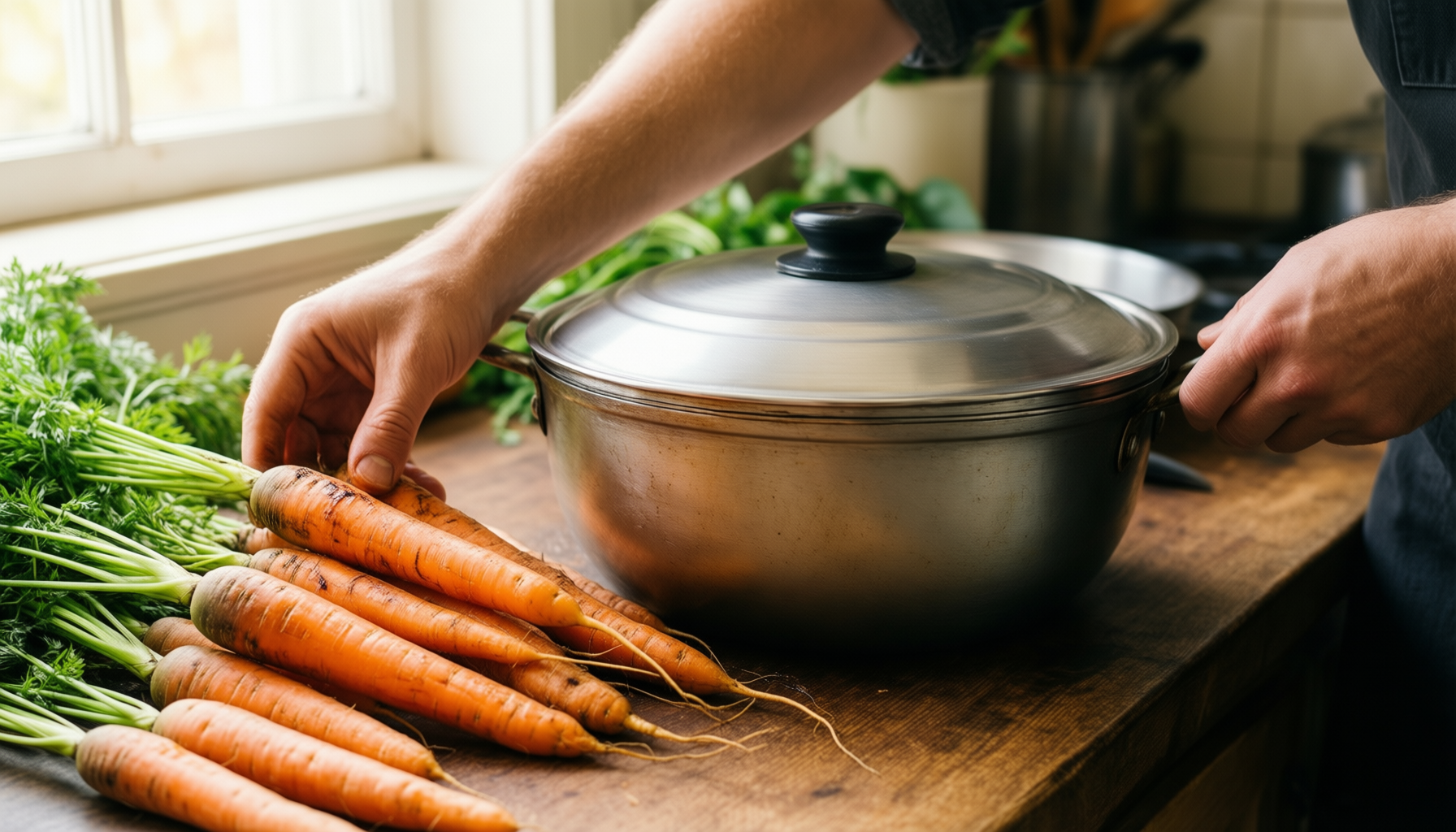
This specific accessory addresses the critical gap in functionality for owners of 14-inch hand-hammered woks who want to transition from high-heat stir-frying to low-heat braising or steaming. The standout feature is the commercial-grade heavy gauge aluminum construction, which provides the necessary weight to seal against the uneven, hammered rim of the wok, a feat lighter lids often fail to achieve. However, a significant limitation is that this lid is strictly sized for 14-inch woks, meaning it will not fit smaller 12-inch models or larger 16-inch vessels, requiring precise measurement before purchase. This product is best for home cooks who already own a 14-inch Mammafong wok and want to expand their cooking repertoire to include soups, dumplings, and braised meats without buying a separate pot.
Solving the Steam Escape Problem in 14-Inch Hand-Hammered Woks
The primary challenge with hand-hammered woks is the irregularity of the rim. Unlike machine-made woks with smooth, uniform edges, the hammering process creates subtle peaks and valleys that can prevent a standard flat lid from sealing tightly. This specific aluminum cover is designed to bridge that gap. Its weight and material density allow it to sit flush against the hammered texture, minimizing the gaps where steam would otherwise escape. This is crucial for techniques like braising, where retaining moisture is essential for tenderizing tough cuts of meat.
🛒 Check Price on Amazon →✓ See today's price & reviews
For users who primarily use their wok for high-heat stir-frying, the addition of a lid transforms the vessel into a multi-purpose cooking tool. The description notes that the lid retains heat and moisture inside the wok, creating tender, succulent results. This is particularly useful for simmering soups or steaming seafood, tasks that are difficult to perform in an open wok without losing significant heat and flavor. The flat-top dome design ensures that heat is distributed evenly across the surface, preventing hot spots that could scorch food during long, slow cooking processes.
It is important to note that this lid is not a universal fit for all 14-inch woks. While the product description states it is suitable for other types of 14-inch woks, the fit may vary depending on the specific rim profile. Woks with a significantly thicker rim or a different curvature may not allow the lid to sit as securely. Buyers should verify that their wok’s rim diameter matches the 13-inch inner diameter of this cover to ensure a proper seal. This precision is what distinguishes this accessory from generic, one-size-fits-all lids that often leave large gaps.
The Role of Weight in Sealing
The heavy gauge aluminum construction is not just about durability; it serves a functional purpose in sealing. The weight of the lid helps it press down against the rim of the wok, creating a tighter seal than a lighter lid would. This is particularly important when steaming, where the pressure of the steam can push a lighter lid upward, causing it to rattle or lift. The stability provided by the aluminum weight ensures that the lid remains in place, allowing the steam to build up and cook the food evenly.
Heat Retention for Braising
Braising requires a consistent, low heat over a long period. The aluminum lid helps maintain this consistency by trapping the heat inside the wok. This reduces the need for constant monitoring and adjustments to the stove burner. The lid also helps to reduce splatter when deep-frying, as the enclosed space contains the oil and prevents it from spraying out of the wok. This makes the cooking process safer and cleaner, especially in smaller kitchen spaces where splatter can be a significant issue.
Fitting a 13-Inch Flat-Bottom Wok: Precision vs. Approximation
The product description specifies that this lid has a diameter of 13 inches to fit a 14-inch wok. This distinction is critical for buyers who may have a flat-bottom wok. Many flat-bottom woks are labeled by their outer diameter, which can be larger than the inner cooking surface. If your wok has a 14-inch outer diameter but a smaller inner rim, this lid may not fit properly. Conversely, if your wok has a 14-inch inner rim, the 13-inch lid should fit snugly.
Buyers should measure the inner diameter of their wok’s rim to ensure compatibility. A loose fit will result in steam leakage, which defeats the purpose of using a lid for braising or steaming. A tight fit, on the other hand, may make it difficult to remove the lid, especially when the wok is hot. The ideal fit is one that is secure enough to hold in place but easy to lift when needed. The wooden handle on this lid provides a good grip, making it easier to manage the lid during cooking.
It is also worth noting that the lid is designed to fit the Mammafong 14-inch hand-hammered wok specifically. While it may fit other 14-inch woks, the fit may not be as precise. This is because the Mammafong wok has a specific rim profile that the lid is designed to match. If you are using a different brand of wok, you should be prepared for a slightly less secure fit. This is not a deal-breaker for most users, but it is worth considering if you are looking for a perfect seal.
Measuring for a Perfect Fit
To ensure a proper fit, measure the inner diameter of your wok’s rim using a tape measure or a ruler. The measurement should be taken at the widest point of the rim. If your wok’s inner diameter is 13 inches, this lid should fit well. If it is smaller, the lid may not fit at all. If it is larger, the lid may be too loose. This simple measurement can save you from the frustration of buying a lid that does not fit your wok.
The Importance of a Secure Seal
A secure seal is essential for effective braising and steaming. If the lid does not seal properly, steam will escape, and the cooking process will be less efficient. This can result in undercooked food or a loss of flavor. The heavy gauge aluminum construction of this lid helps to create a secure seal, but it is still important to ensure that the lid fits your wok properly. A loose fit can also cause the lid to rattle, which can be annoying and may even cause the lid to fall off the wok.
Why This Lid Won’t Work for Cast Iron or Non-Stick Wok Owners
This aluminum lid is designed specifically for carbon steel woks, such as the Mammafong hand-hammered wok. It is not suitable for cast iron woks or non-stick woks. The primary reason is the risk of scratching. The aluminum rim of the lid can scratch the seasoned surface of a cast iron wok, ruining the seasoning and causing rust. This is a significant concern for cast iron owners who have spent time building up a good seasoning layer.
Non-stick woks also have different rim profiles that may not accommodate the specific thickness of this aluminum cover. The non-stick coating is delicate and can be damaged by the weight and pressure of the aluminum lid. Additionally, the high heat required for some cooking techniques may cause the non-stick coating to degrade if it is in constant contact with the aluminum lid. For these reasons, it is best to use a lid that is specifically designed for your type of wok.
If you own a cast iron or non-stick wok, you should look for a lid that is made of a material that will not scratch the surface, such as glass or wood. Glass lids are a popular choice for cast iron woks because they are transparent, allowing you to see the food as it cooks. Wooden lids are another option, as they are lightweight and will not scratch the surface. However, they may not provide as tight a seal as an aluminum lid, which can be a disadvantage for braising or steaming.
The Risk of Scratching Cast Iron
Cast iron woks rely on a layer of seasoning to create a non-stick surface. This seasoning is built up over time by applying oil and heating the wok. If the seasoning is scratched, it can lead to rust and a loss of non-stick properties. The aluminum rim of this lid can easily scratch the seasoning, especially if the lid is moved around on the wok. To avoid this, cast iron owners should use a lid that is made of a softer material, such as wood or glass.
Non-Stick Coatings and Heat Sensitivity
Non-stick coatings are sensitive to high heat and can degrade if exposed to temperatures above their recommended limit. The aluminum lid can conduct heat efficiently, which may cause the non-stick coating to overheat. This can lead to the release of harmful fumes and a reduction in the non-stick properties of the wok. To protect your non-stick wok, use a lid that is designed for low-heat cooking, or avoid using a lid altogether for high-heat techniques.
Aluminum vs. Glass: Choosing the Right Lid for UK Kitchen Storage
In UK kitchens, where space is often limited, the choice of lid material can be a significant factor. Aluminum lids are lightweight and easy to store, making them ideal for small cupboards or drawers. They can be stacked on top of other pots and pans without taking up too much space. This is a significant advantage over glass lids, which are heavier and more bulky. Glass lids also require more careful handling, as they can be fragile and prone to breaking.
The durability of aluminum is another advantage. Aluminum is resistant to corrosion and can withstand the rigors of daily use. It is also easy to clean, as it does not absorb odors or stains. Glass lids, on the other hand, can be difficult to clean, especially if food residue gets stuck to the surface. They can also be prone to chipping or cracking if dropped. For these reasons, aluminum lids are a practical choice for busy kitchens where durability and ease of use are important.
However, glass lids have their own advantages. They are transparent, allowing you to see the food as it cooks without having to lift the lid. This can be useful for monitoring the cooking process and preventing overcooking. They are also easier to clean than aluminum lids, as they do not require scrubbing. For users who value visibility and ease of cleaning, a glass lid may be a better choice. However, for those who prioritize durability and space-saving, an aluminum lid is the superior option.
Space-Saving Design
The slim profile of this aluminum lid makes it easy to store in tight spaces. It can be placed on top of a wok or stored in a cupboard without taking up too much room. This is particularly useful in UK kitchens, where space is often at a premium. The lightweight nature of the lid also makes it easy to handle and move around, which is a plus for users with limited mobility or strength.
Durability in a Busy Kitchen
Aluminum is a durable material that can withstand the demands of a busy kitchen. It is resistant to corrosion and can handle high temperatures without warping or degrading. This makes it a long-lasting investment that can last for many years with proper care. Glass lids, while durable, are more prone to breaking if dropped or subjected to sudden temperature changes. For users who cook frequently and use their woks for a variety of techniques, an aluminum lid is a more practical choice.
Maintaining the Aluminum Surface: Preventing Pitting and Staining
Aluminum is a reactive metal that can react with acidic ingredients, such as tomatoes, vinegar, and citrus juices. This reaction can cause pitting and discoloration on the surface of the lid. To prevent this, it is important to avoid leaving acidic foods on the lid for extended periods. If you are cooking with acidic ingredients, use the lid for a short time and then remove it to prevent the acid from reacting with the aluminum.
Cleaning the lid is also important to prevent staining and pitting. The product description recommends hand washing the lid to avoid damage. Avoid using steel wool or harsh detergents, as these can scratch the surface and cause corrosion. Instead, use a soft sponge or cloth and mild dish soap to clean the lid. Rinse it thoroughly and dry it immediately to prevent water spots.
Water spots can be unsightly and can also lead to corrosion if left on the surface for extended periods. To prevent water spots, dry the lid with a soft cloth after washing. You can also use a small amount of cooking oil to polish the surface and create a protective layer. This will help to prevent water spots and keep the lid looking new.
Avoiding Acidic Reactions
Acidic ingredients can react with aluminum, causing pitting and discoloration. This is a common issue with aluminum cookware and lids. To avoid this, use the lid for a short time when cooking with acidic ingredients. You can also use a non-reactive liner, such as parchment paper, between the food and the lid to prevent direct contact. This will help to protect the aluminum surface and prevent pitting.
Proper Cleaning and Drying
Proper cleaning is essential to maintain the appearance and functionality of the lid. Use a soft sponge and mild dish soap to clean the lid. Avoid using abrasive materials, such as steel wool, which can scratch the surface. Rinse the lid thoroughly and dry it immediately to prevent water spots. Regular cleaning and drying will help to keep the lid in good condition and extend its lifespan.
Who Should Skip This
This lid is not suitable for owners of 12-inch or 16-inch woks, as it is specifically sized for 14-inch models. If your wok is smaller or larger, the lid will not fit properly, leading to steam leakage or a loose fit. Buyers with cast iron or non-stick woks should also skip this product, as the aluminum rim can scratch the seasoned or coated surface, causing damage and rust.
Users who require a transparent lid to monitor cooking progress without lifting the lid may find this aluminum lid less convenient. While it is durable and space-saving, it does not offer the visibility of a glass lid. If you frequently cook dishes that require close monitoring, such as rice or delicate sauces, a glass lid may be a better choice. This product is best for those who prioritize durability, space-saving, and a secure seal for braising and steaming.
Final Verdict
The Mammafong aluminum wok cover is a specialized tool designed for a specific need: sealing a 14-inch carbon steel wok for low-heat cooking. It is the right choice for home cooks who already own a 14-inch Mammafong (or similar profile) carbon steel wok and wish to perform braising, steaming, or soup-making without purchasing a new pot. The heavy gauge aluminum provides the necessary weight to seal against the hammered rim, a feature lighter or glass lids often lack.
However, this is not a universal solution. If you own a cast iron or non-stick wok, you should choose a glass or wooden lid to avoid scratching the surface. If your wok is not exactly 14 inches (with a 13-inch inner rim), this lid will not fit. Additionally, if you prefer to see your food while it cooks, the opaque aluminum design may be a drawback compared to glass alternatives. For the right user, however, this lid effectively expands the functionality of a standard stir-fry wok into a versatile braising vessel.
🛒 Check Price on Amazon →✓ See today's price & reviews