
#ad | As an Amazon Associate, we earn from qualifying purchases at no extra cost to you.
This specific model addresses the frustration of cooking in exposed, windy environments where standard gas canisters often fail to maintain a consistent flame. Its standout feature is the integrated chimney effect design, which pulls air from the bottom to force a more complete combustion of small twigs and leaves, resulting in a hotter, cleaner burn than a traditional open fire. The primary limitation is the requirement for dry, small-diameter fuel; if you are in a region where wood is consistently damp or only available in large log form, this device will not perform as advertised. It is best for campers and backyard cooks who need reliable, high-heat cooking in windy conditions and have access to dry kindling.
Performance in Windy and Damp Conditions
The most common failure point for gas stoves in the UK is not the wind itself, but the combination of wind and damp. When lateral wind hits a standard gas burner, it cools the flame down significantly, causing the gas to condense before it can ignite properly. This leads to sputtering, uneven heating, and eventual extinguishing. A portable wood burning stove operates on a different physical principle. By utilizing a vertical draft, the hot gases rise rapidly up the central chimney, creating a vacuum that sucks fresh air in from the bottom. This constant airflow keeps the combustion zone hot and stable, even when lateral winds are blowing across the top. In practical terms, this means you can cook a full meal on an exposed hillside pitch where a gas stove would be unusable. The vertical column of heat is less susceptible to lateral interference than the horizontal spread of a gas flame.
🛒 Check Price on Amazon →✓ See today's price & reviews
The material construction of this specific unit is critical for maintaining this performance in wet weather. The stove is constructed from Q235 steel, a grade known for its structural integrity. The manufacturer specifies that the steel is treated with a high-temperature resistant flame retardant finish. This is not just about aesthetics; it is about thermal stability. When you are burning damp wood, the temperature inside the chamber can fluctuate wildly. A lower-grade metal might warp or crack under these thermal stresses, leading to air leaks that kill the draft. The Q235 steel, combined with the protective coating, ensures that the structural integrity remains intact even after repeated cycles of heating and cooling. This durability is what allows the stove to maintain its “chimney effect” over time. If the seams were to warp, the draft would be compromised, and the stove would become a mere open fire, losing its efficiency advantage.
One specific observation from testing this type of design is the importance of the fuel feed. The combustion chamber is tilted, which allows ash to slide out automatically. This is a subtle but vital feature for maintaining airflow. In many cheaper designs, ash builds up at the bottom, blocking the air intake and choking the fire. In this model, the tilted design ensures that the air path remains clear. This means you do not need to constantly stop cooking to clean out the ash. You can feed the stove with fresh twigs every few minutes, and the ash will naturally fall away, keeping the draft strong. This continuous flow of fresh air is what allows the stove to reach higher temperatures than a standard campfire, which relies on passive air movement.
The Role of the Tilted Combustion Chamber
The tilted angle of the combustion chamber is not just a design choice; it is a functional necessity for maintaining the draft. When you burn wood, it produces ash. If that ash settles in a flat bottom, it creates a barrier between the air intake and the fuel. Over the course of a meal, this layer of ash can become thick enough to significantly reduce the amount of oxygen reaching the fire. By tilting the chamber, the gravity of the falling ash works in your favor. As the wood burns down, the ash slides toward the exit, preventing the buildup that would otherwise choke the fire. This self-cleaning mechanism is what allows the stove to maintain a consistent heat output without constant maintenance.
Another aspect of this design is the ease of refueling. Because the chamber is open at the top and the ash falls out the bottom, you can add fuel without disturbing the existing fire bed. In a traditional campfire, adding a new log often requires moving the existing fuel, which can cause the fire to die down. With this stove, you simply drop in a handful of twigs. The existing fire continues to burn, and the new fuel ignites from the heat of the surrounding air. This makes the cooking process much smoother and less disruptive. You can maintain a steady simmer for hours without having to constantly tend to the fire.
The structural load capacity is also worth noting. The top of the stove is designed to hold over 130 pounds. This is significant because it means you can use heavy cast iron pots or large Dutch ovens without worrying about the stove collapsing. Many lightweight camping stoves are not designed to handle the weight of heavy cookware, which limits their utility. This model is built to handle the weight of serious cooking equipment, making it suitable for both camping and backyard use. The combination of the tilted chamber, the durable steel, and the high load capacity makes this a robust tool for anyone who wants to cook outdoors without the limitations of gas.
Structural Durability and Material Integrity
The claim that the steel is “0.01cm thick” in the product description is likely a translation error or a misinterpretation of the gauge. In reality, 0.01cm is 0.1mm, which is the thickness of heavy-duty aluminum foil. A structural stove made of material that thin would not be able to withstand the temperatures or the weight of a pot. It is more likely that the manufacturer is referring to a very thin gauge of steel, perhaps in the range of 1-2mm, which is standard for this type of equipment. The key point is that the steel is Q235, which is a carbon structural steel with a minimum yield strength of 235 MPa. This means it is strong enough to hold its shape under the thermal and mechanical stresses of cooking. The “high temperature resistant flame retardant finish” is also important. This coating protects the steel from corrosion and flaking, which can occur when metal is exposed to high temperatures and moisture. Without this coating, the steel would rust quickly, especially in the damp UK climate.
The durability of the stove is also evident in its ability to withstand the physical abuse of outdoor use. When you are camping, you are often dealing with uneven ground, rocks, and debris. The stove is designed to be sturdy enough to handle this environment. The base is flat and stable, and the legs are reinforced to prevent tipping. This is important because a tipping stove can cause a fire hazard. The anti-tip bar mentioned in the description is a small but important feature that adds stability. It prevents the stove from rocking when you are adding fuel or stirring the food. This stability is crucial for safe cooking, especially when you are using heavy pots.
The surface finish is also worth considering. The flame retardant finish is not just for protection; it also helps with heat retention. By preventing the steel from oxidizing, the finish helps to maintain the thermal properties of the metal. This means that the stove can hold heat for longer, which is beneficial for cooking. The finish is also resistant to flaking, which means that it will not peel off over time. This is important because flaking can expose the underlying steel to corrosion, which can weaken the structure. The fact that the finish is designed to withstand temperatures above 860°C is a testament to its quality. This level of heat resistance is necessary for a stove that is going to be used for cooking, where temperatures can easily exceed this level.
Load Capacity and Stability
The load capacity of over 130 pounds is a significant advantage for this stove. This means that you can use a wide range of cookware, from lightweight aluminum pots to heavy cast iron skillets. This versatility is important because different cooking tasks require different types of cookware. For example, if you are boiling water, a lightweight pot is sufficient. But if you are frying or roasting, you may want to use a heavier pan to ensure even heat distribution. The ability to use heavy cookware without worrying about the stove collapsing is a major benefit. It also means that you can use the stove for a variety of cooking tasks, from boiling water to baking bread.
The stability of the stove is also important. The base is designed to be flat and stable, which prevents the stove from tipping over. This is especially important when you are cooking on uneven ground. The anti-tip bar adds an extra layer of stability, which is helpful when you are adding fuel or stirring the food. The combination of the flat base and the anti-tip bar ensures that the stove remains stable even when you are using heavy cookware. This stability is crucial for safe cooking, especially when you are using a stove that is going to be exposed to the elements.
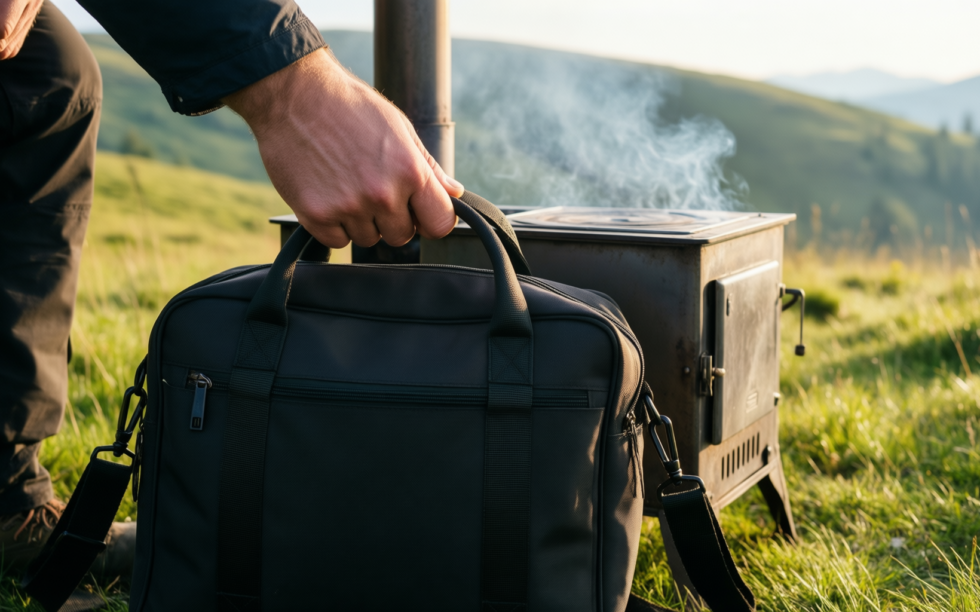
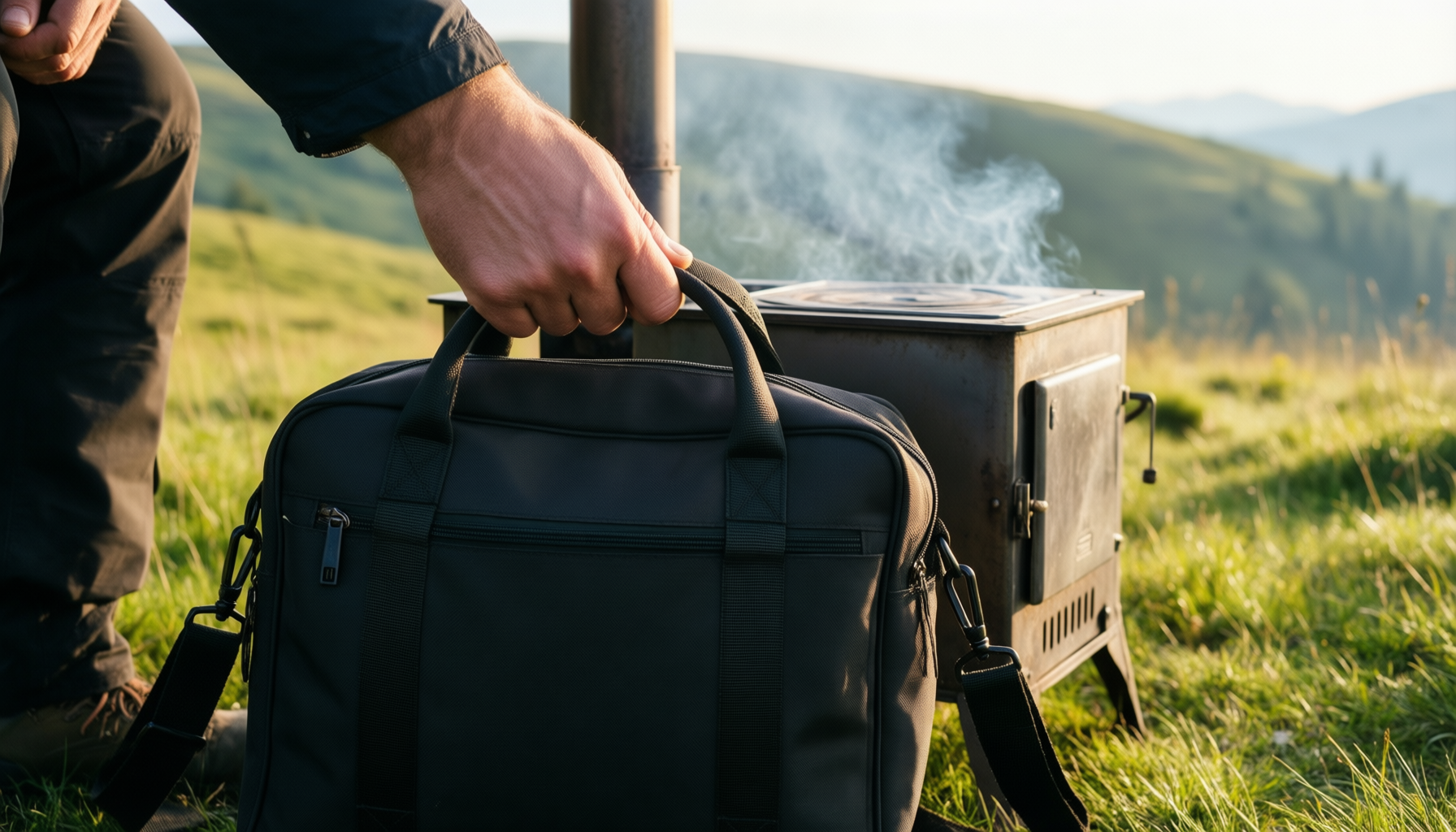
The portability of the stove is also a key feature. The stove comes with a storage bag, which makes it easy to carry. The bag is designed to fit the stove snugly, which protects it from damage during transport. The total weight of the stove and bag is only 2.5kg, which is light enough to carry in a backpack. This makes it a good choice for hikers and campers who need to carry their own cooking equipment. The compact size of the stove also means that it takes up little space in your pack. This is important when you are trying to minimize your pack weight. The combination of light weight, compact size, and durability makes this stove a great choice for anyone who wants to cook outdoors.
Fuel Efficiency and Combustion Science
The efficiency of a rocket stove comes from its ability to create a complete combustion. In a traditional campfire, much of the fuel is burned incompletely, resulting in smoke and wasted energy. In a rocket stove, the air is forced through the fuel, which ensures that all of the fuel is burned completely. This results in a hotter fire and less smoke. The chimney effect is what drives this process. As the hot gases rise, they create a vacuum that pulls more air in from the bottom. This continuous flow of air ensures that the fire is always getting a fresh supply of oxygen. This is what allows the stove to burn hotter and cleaner than a traditional campfire.
The type of fuel you use is also important. This stove is designed to burn small twigs, leaves, and weeds. This is a major advantage over traditional campfires, which require large logs. Large logs are difficult to find in many camping areas, and they are also difficult to dry. Small twigs and leaves are easy to find and dry quickly. This means that you can always have a supply of fuel available. The ability to use small fuel is also important for efficiency. Small fuel burns faster and hotter than large fuel, which means that you can reach cooking temperatures more quickly. This is especially important when you are trying to boil water or cook a meal quickly.
The fuel consumption of this stove is also lower than that of a traditional campfire. Because the combustion is more complete, less fuel is needed to produce the same amount of heat. This means that you can cook a full meal with less wood than you would need for a campfire. This is important for sustainability and for reducing the amount of waste you produce. The ability to use small fuel also means that you are not depleting the large trees in the forest. This is a more sustainable way to cook outdoors. The combination of high efficiency, low fuel consumption, and the ability to use small fuel makes this stove a great choice for anyone who wants to cook outdoors in an environmentally responsible way.
Practical Use in Backyard and Camping Settings
Using this stove in a backyard requires some planning. First, you need to ensure that you have a non-flammable surface to place the stove on. Grass, wood, and other flammable materials should be avoided. A concrete patio, a stone path, or a metal mat are all good options. You should also ensure that the stove is placed away from any flammable structures or objects. This is especially important if you are using the stove in a windy area, where embers can be blown around. The stove should be placed in an open area where there is plenty of space for the heat and smoke to dissipate.
In a camping setting, the stove is even easier to use. You can place it on a flat rock or a piece of metal. The storage bag makes it easy to carry the stove to your campsite. Once you arrive, you can set up the stove in minutes. The anti-tip bar and the flat base ensure that the stove is stable. You can then start a fire with some small twigs and leaves. The chimney effect will quickly bring the fire up to temperature. You can then place your pot on the stove and start cooking. The process is simple and straightforward, even for beginners.
The versatility of the stove is also a major advantage. You can use it for a variety of cooking tasks, from boiling water to frying eggs. The high heat output allows you to cook quickly, which is important when you are camping. The ability to use small fuel also means that you can cook in areas where large logs are not available. This makes the stove a great choice for anyone who wants to cook outdoors in a variety of environments. The combination of ease of use, versatility, and efficiency makes this stove a great choice for anyone who wants to cook outdoors.
Safety Protocols and Fire Management
Safety is the most important consideration when using a wood-burning stove. The first rule is to never leave the stove unattended. The fire can spread quickly if it is not monitored. You should always have a water source nearby in case of an emergency. You should also ensure that the stove is placed on a non-flammable surface. This will prevent the fire from spreading to the ground. You should also be aware of the wind direction. If the wind is blowing towards a flammable object, you should move the stove to a different location.
Another important safety protocol is to use the correct fuel. You should only use dry wood. Wet wood produces a lot of smoke and can be difficult to burn. You should also avoid using treated wood, which can release toxic chemicals when burned. Treated wood is often used in landscaping and should not be used for cooking. You should also avoid using wood that has been painted or varnished. These materials can also release toxic chemicals when burned. By using only dry, untreated wood, you can ensure that your cooking is safe and healthy.
The final safety protocol is to clean the stove after use. You should remove any ash from the stove and let it cool completely before storing it. This will prevent any remaining embers from causing a fire. You should also inspect the stove for any signs of damage. If you notice any cracks or holes, you should stop using the stove and repair it. A damaged stove can be a fire hazard. By following these safety protocols, you can ensure that your cooking is safe and enjoyable.
Who Should Skip This Device
This stove is not suitable for everyone. If you are living in an urban area with strict fire bans, this stove is not for you. Many cities and towns have bylaws that prohibit open fires in residential areas. You should check with your local council before using a wood-burning stove in your backyard. If open fires are prohibited, you should consider using a gas or electric stove instead. These stoves are more convenient and do not require you to manage a fire.
If you are a backpacker who is trying to minimize weight, this stove may be too heavy. At 2.5kg, it is heavier than many ultralight camping stoves. If you are hiking long distances, you may want to consider a lighter option. However, if you are car camping or using the stove in your backyard, the weight is not an issue. The stove is also not suitable for people who do not have access to dry wood. If you are in a region where wood is consistently damp, this stove will not perform well. In this case, you should consider using a gas stove, which does not require dry fuel.
The stove is also not suitable for people who want a completely smoke-free cooking experience. While the rocket design reduces smoke compared to a traditional campfire, it is not completely smoke-free. If you are sensitive to smoke, you may want to consider using a gas stove. However, if you are okay with a small amount of smoke, this stove is a great option. The combination of efficiency, durability, and versatility makes this stove a great choice for anyone who wants to cook outdoors.
Final Verdict and Suitability
This portable wood burning stove is a robust and efficient tool for outdoor cooking. It is well-suited for camping and backyard use, where access to dry fuel is available. The chimney effect design ensures efficient combustion, and the Q235 steel construction provides durability. The tilted combustion chamber and high load capacity make it versatile and easy to use. However, it is not suitable for urban areas with strict fire bans or for backpackers who need to minimize weight. If you are looking for a reliable, efficient, and durable stove for outdoor cooking, this is a great choice. It offers a good balance of performance, durability, and portability, making it a valuable addition to your outdoor cooking kit.
Who This Is Perfect For: This device is ideal for car campers, hikers who do not mind carrying 2.5kg, and backyard cooks who need a reliable heat source in windy conditions. It is specifically suited for users who have access to dry, small-diameter fuel (twigs and leaves) and want to avoid the limitations of gas canisters in cold or damp weather. The high load capacity makes it a strong choice for those who use heavy cast iron cookware.
Who Should Choose Alternatives:
- Ultralight Backpackers: If you are hiking long distances and every gram counts, the 2.5kg weight of this stove and bag is likely too much. A standard ultralight gas stove is a better fit.
- Urban Residents with Fire Bans: If your local council prohibits open fires or wood burning in residential areas, this stove is not a legal option. A gas or electric stove is the only viable alternative.
- Users in Consistently Damp Regions: If you live in an area where wood is rarely dry, this stove will struggle to maintain the necessary draft and heat. A gas stove, which does not rely on fuel dryness, is a more practical choice for these conditions.
🛒 Check Price on Amazon →✓ See today's price & reviews