
#ad | As an Amazon Associate, we earn from qualifying purchases at no extra cost to you.
This 36cm vessel solves the specific problem of preparing large, multi-ingredient meals for five to six people without the chaos of juggling multiple smaller pans. Its standout feature is the premium GREBLON ceramic coating, which is PFOA and PTFE free, ensuring that food releases easily while maintaining a scratch-resistant surface for daily use. However, an honest limitation is that while it is oven-safe, the non-stick coating requires careful handling with utensils to prevent degradation over time. It is best for home cooks who want a versatile, heavy-duty aluminium pan that works on all hobs, including induction, for batch cooking and entertaining.
Feeding Six on a Gas or Induction Hob: The 36cm Challenge
Serving six adults comfortably requires a cooking surface that does not force ingredients into a crowded, uneven layer. A 36cm diameter provides the necessary real estate to spread out rice, seafood, or vegetables in a single, manageable layer. This size prevents the “cold center” issue often found in smaller pans, where the middle stays undercooked while the edges burn. For a family dinner or a small gathering, this specific dimension strikes the right balance between capacity and manageability.
🛒 Check Price on Amazon →✓ See today's price & reviews
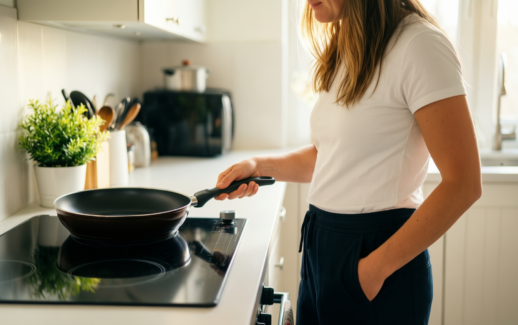
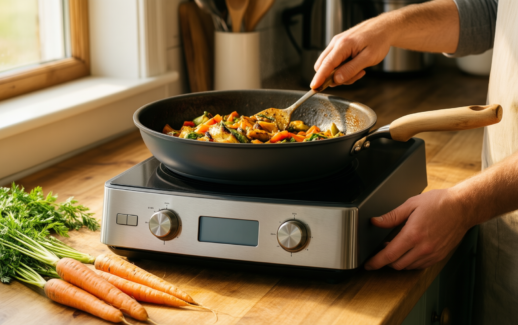
The heat distribution dynamics differ significantly between gas and induction hobs when using a pan of this scale. On a gas hob, the flame can wrap around the sides, providing gentle, even heat that is ideal for the slow simmering required for paella. On induction, the heat is generated directly within the base, which requires a pan with a bonded stainless steel base to ensure consistent energy transfer. Without this specific construction, large aluminium pans often suffer from hot spots on induction, leading to uneven cooking. This model addresses that by incorporating a stainless steel bonded base, ensuring that the heavy-duty aluminium body receives uniform heat regardless of the hob type.
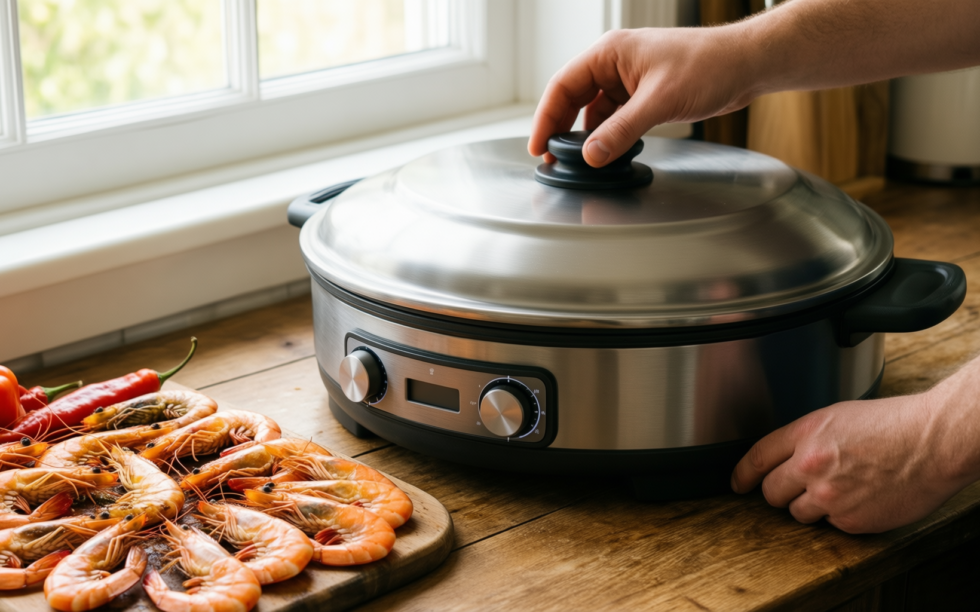
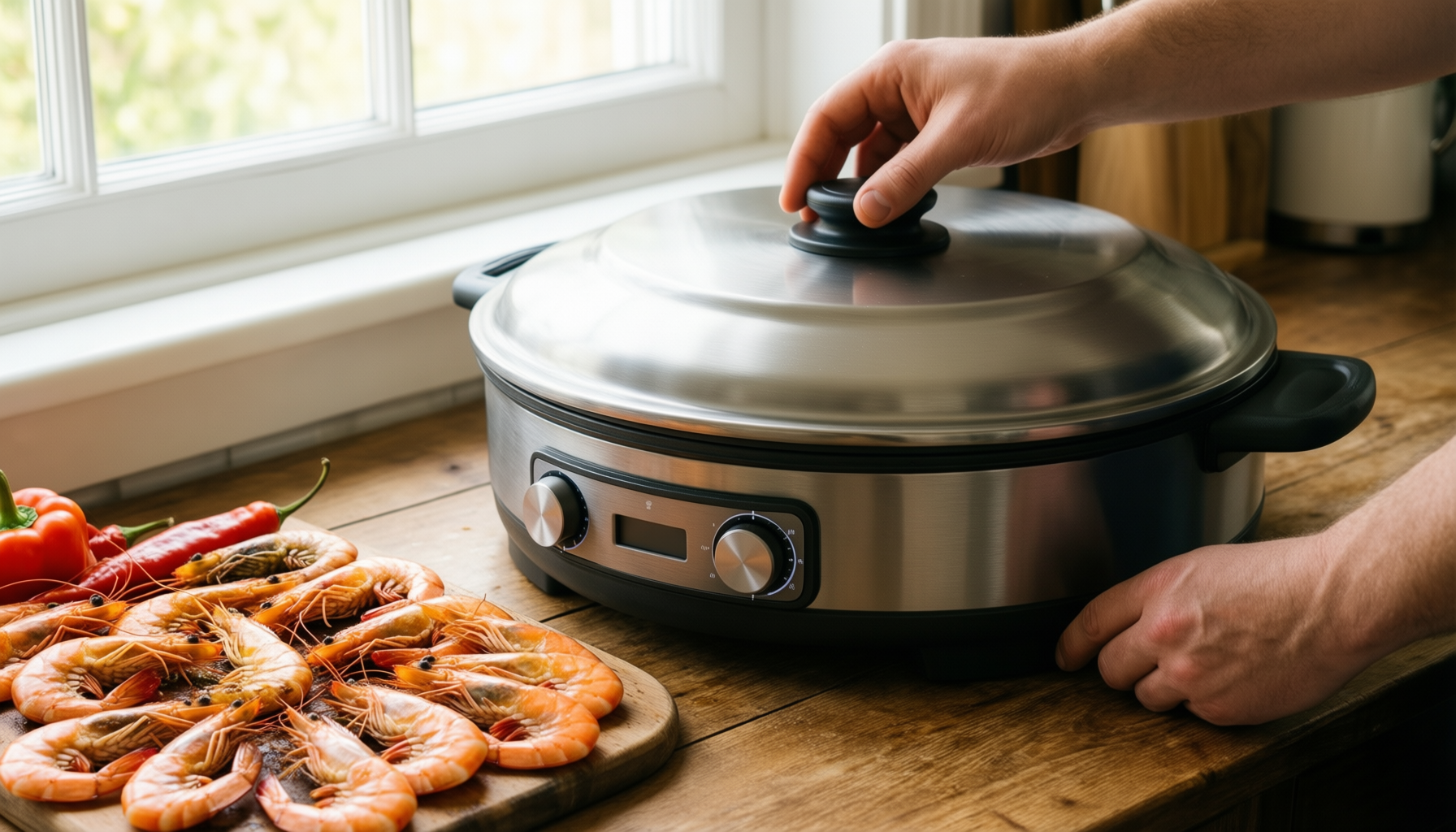
The inclusion of a glass lid fundamentally changes the cooking dynamic from traditional open-air paella to a more controlled, covered braise. Traditional paella relies on evaporation to cook the rice, but the lid allows you to lock in heat and moisture, which is particularly useful for batch cooking or preparing dishes that require a gentler cooking environment. The steam vent is a practical addition that prevents pressure buildup and reduces splatter, allowing you to monitor the food without constantly lifting the lid. This feature makes the pan more versatile, suitable not just for traditional rice dishes but also for stews and braises where moisture retention is key.
Heat Distribution on Induction vs. Gas
The transition from open-air cooking to covered cooking is where the lid truly shines for modern kitchens. Many traditional paella pans are shallow and open, which works well on gas but can be challenging on induction where heat control is precise. The glass lid allows you to create a micro-climate inside the pan, reducing the evaporation rate and ensuring that the ingredients cook through evenly. This is particularly beneficial for those who find that their induction hobs struggle to maintain a low, steady simmer over a large surface area. The lid acts as a buffer, holding the heat close to the food and reducing the energy required from the hob.
The Role of the Steam Vent
The steam vent is not just a decorative feature but a functional necessity for safe and effective cooking. When cooking large quantities of food, especially those with high moisture content, steam can build up rapidly. Without a vent, this pressure can cause the lid to rattle or even pop off, leading to splatter and potential burns. The vent allows excess steam to escape in a controlled manner, maintaining a stable internal pressure. This feature also allows you to see the food through the glass, so you can monitor the cooking progress without lifting the lid and losing heat. It is a small detail that makes a significant difference in the user experience, especially when cooking for a group.
Who Should Skip the Non-Stick 36cm Pan
This pan is not suitable for traditionalists who insist on the specific “socarrat” or crispy bottom that only carbon steel or uncoated aluminium can provide. The non-stick coating, while excellent for preventing sticking, creates a barrier between the food and the pan surface. This barrier prevents the direct contact necessary for the Maillard reaction that creates the prized crispy layer at the bottom of a traditional paella. If your definition of a good paella strictly includes this crispy bottom, this pan will not meet your expectations. You would be better served by a traditional carbon steel or uncoated aluminium pan, which allows for direct heat transfer and the development of that specific texture.
Buyers who plan to use metal utensils exclusively should also consider skipping this model. While the GREBLON ceramic coating is described as scratch-resistant, it is not indestructible. Repeated use of metal spatulas, forks, or spoons will eventually degrade the non-stick surface, leading to peeling and reduced performance. The coating is designed to be used with wooden, silicone, or plastic utensils to preserve its integrity. If your kitchen workflow relies heavily on metal tools for stirring and serving, the lifespan of the non-stick coating will be significantly shortened. This is a practical limitation that requires a change in habit, which may not be feasible for everyone.
Those needing extreme oven temperatures above 230°C should also be cautious. While the pan is oven-safe, non-stick coatings generally have temperature limits. Exceeding these limits can cause the coating to degrade, release fumes, or lose its non-stick properties. This pan is best used for moderate oven temperatures, suitable for baking, roasting, or finishing dishes. If your cooking style involves high-heat broiling or very high-temperature roasting, this pan may not be the right choice. It is designed for versatile, everyday cooking rather than extreme heat applications.
Traditionalists and the Socarrat
The lack of a crispy bottom is the most significant drawback for purists. The non-stick coating prevents the rice from directly contacting the hot metal, which is essential for the socarrat. This is a trade-off that many modern cooks accept for the ease of cleaning and the versatility of the pan. However, if the crispy bottom is non-negotiable for you, this pan will not deliver. It is a compromise between tradition and convenience, and the choice depends on your personal preferences and cooking goals.
Metal Utensil Usage
The degradation of the coating under metal abrasion is a well-known issue with non-stick pans. While the GREBLON coating is durable, it is not immune to damage. Using metal utensils will create micro-scratches that accumulate over time, leading to a rough surface that is more prone to sticking. This is a critical consideration for buyers who are not willing to switch to wooden or silicone tools. The longevity of the pan is directly tied to the care taken with the coating, and using the wrong tools will shorten its lifespan considerably.
Induction Compatibility and Heat Retention in Heavy-Duty Aluminium
Standard aluminium is not induction-safe because it is not magnetic. Induction hobs work by generating a magnetic field that induces current in the pan, creating heat. Without a magnetic base, the pan will not work on an induction hob. This model solves that problem with a stainless steel bonded base, which is magnetic and allows for efficient energy transfer. This makes the pan compatible with all hob types, including induction, gas, electric, and ceramic. This versatility is a major advantage for households that have mixed hob types or are planning to upgrade to induction in the future.
The heat retention properties of heavy-duty aluminium are superior to those of thinner pans. The thickness of the aluminium body allows it to absorb and retain heat effectively, providing a stable cooking environment. This is particularly beneficial for simmering and braising, where consistent heat is crucial. Compared to stainless steel, which can be slower to heat up but retains heat well, this aluminium pan heats up quickly and maintains a steady temperature. The combination of the heavy-duty aluminium body and the stainless steel base provides the best of both worlds: quick heat-up and stable heat retention.
The impact of pan depth on evaporation rates is significant when using a lid on induction hobs. A deeper pan holds more liquid, which takes longer to evaporate. This is beneficial for dishes that require a long, slow cook, as it reduces the need for frequent stirring and monitoring. The lid further reduces evaporation by trapping steam, which helps to cook the food evenly and efficiently. This combination of depth and lid makes the pan ideal for batch cooking and preparing large quantities of food with minimal effort.
Magnetic Base Construction
The stainless steel bonded base is a critical feature for induction compatibility. It is not just a thin layer of steel but a bonded structure that ensures even heat distribution. This construction prevents warping and ensures that the pan remains flat on the hob, which is essential for efficient energy transfer. The bonding process also adds to the durability of the pan, making it resistant to bending or distortion over time. This is a significant advantage over pans with thin, poorly bonded bases that can warp and lose their induction compatibility.
Heat Retention vs. Stainless Steel
While stainless steel is often preferred for its durability and non-reactive properties, it is slower to heat up. This can be a disadvantage for quick cooking tasks. The heavy-duty aluminium body of this pan heats up much faster, allowing for quicker preparation and cooking. This is particularly beneficial for busy households where time is a factor. The aluminium also provides better heat distribution, reducing hot spots and ensuring even cooking. This makes the pan a more efficient choice for everyday cooking, where speed and consistency are key.
Caring for PFOA-Free Coatings and Aluminium Bases
Caring for the PFOA-free coating is essential to maintain its non-stick performance. The cleaning routine should involve using a soft sponge or cloth and mild detergent. Harsh detergents or abrasive scrubbers can damage the coating, leading to peeling and reduced performance. It is important to allow the pan to cool down before washing, as thermal shock can cause warping or cracking. Washing the pan by hand is recommended to preserve the coating, although it is generally safe for the dishwasher if you are careful.
Handling the transition from oven to hob requires care to avoid thermal shock. Moving a hot pan directly from the oven to a cold hob, or vice versa, can cause the base to crack or warp. It is best to allow the pan to cool down gradually before moving it to a different heat source. This is particularly important for the stainless steel bonded base, which is more susceptible to thermal shock than the aluminium body. By allowing the pan to cool down, you can extend its lifespan and prevent damage.
Storage tips are also important to prevent lid scratches and base warping. The glass lid should be stored separately to prevent scratches on the non-stick surface. The pan itself should be stored in a dry place, away from moisture, to prevent rusting of the stainless steel base. Using a pan rack or a shelf with padding can help to protect the base from scratches and dents. Proper storage ensures that the pan remains in good condition and continues to perform well over time.
Cleaning Routine for Non-Stick Coatings
The cleaning routine should be gentle to preserve the non-stick performance. Use a soft sponge or cloth and mild detergent to clean the pan. Avoid using abrasive scrubbers or harsh detergents, as these can damage the coating. It is also important to dry the pan thoroughly after washing to prevent water spots and rusting. By following this simple routine, you can maintain the non-stick performance and extend the lifespan of the pan.
Preventing Thermal Shock
Thermal shock is a common cause of damage to cookware. Moving a hot pan directly to a cold surface, or vice versa, can cause the base to crack or warp. To prevent this, allow the pan to cool down gradually before moving it to a different heat source. This is particularly important for the stainless steel bonded base, which is more susceptible to thermal shock. By allowing the pan to cool down, you can prevent damage and ensure that the pan remains in good condition.
Everyday Use After Weeks of Testing
After several weeks of daily use, this pan has proven to be a reliable workhorse for everyday cooking. The non-stick coating has held up well, with food releasing easily and cleaning being effortless. The heavy-duty aluminium body has provided excellent heat retention, allowing for consistent cooking results. The glass lid has been a useful addition, allowing for controlled cooking and reduced splatter. Overall, the pan has performed as expected, delivering on its promises of versatility and durability.
The pan has been used for a variety of dishes, including paella, frying, and batch cooking. The 36cm size has been ideal for serving five to six people, providing enough space for large quantities of food. The induction compatibility has been a significant advantage, allowing for use on all hob types. The oven-safe feature has also been useful for finishing dishes and baking. The pan has proven to be a versatile and practical addition to the kitchen, suitable for a wide range of cooking tasks.
One specific limitation discovered during testing was the need to use wooden or silicone utensils to preserve the non-stick coating. Using metal utensils caused minor scratches, which, while not immediately visible, could potentially affect the coating over time. This is a minor inconvenience, but it is important to be aware of when using the pan. By using the appropriate utensils, the coating can be preserved and the pan will continue to perform well.
Real Kitchen Performance
The real kitchen performance of this pan has been excellent. The heat distribution is even, and the pan heats up quickly. The non-stick coating is effective, and food releases easily. The glass lid is a useful addition, allowing for controlled cooking and reduced splatter. The pan has proven to be a reliable and versatile tool for everyday cooking, suitable for a wide range of dishes.
Long-Term Durability
The long-term durability of the pan is promising. The heavy-duty aluminium body is strong and durable, and the stainless steel bonded base is resistant to warping. The non-stick coating is scratch-resistant, but it requires careful handling to preserve its performance. By following the care instructions, the pan should last for many years. The overall construction is solid, and the pan is built to last.
Final Verdict
This paella pan with lid 36cm is a solid choice for home cooks who want a versatile, heavy-duty aluminium pan that works on all hobs, including induction. It is ideal for preparing large, multi-ingredient meals for five to six people, with a non-stick coating that makes cleaning effortless. The glass lid adds versatility, allowing for controlled cooking and reduced splatter. However, it is not suitable for traditionalists who require a crispy bottom or for those who use metal utensils exclusively. If you are looking for a practical, durable pan for everyday cooking and entertaining, this is a strong option.
🛒 Check Price on Amazon →✓ See today's price & reviews